Thanksgiving Wine Pairing Guide: How to Choose the Right Wine for Every Dish
Thanksgiving dinner is one of the hardest meals to pair with wine. The thanksgiving table holds savory, sweet, creamy, tart, and herbal flavors all at once, and everything lands on the plate at the same time. That is exactly why a good thanksgiving wine pairing matters. The right wine does not fight with your food. It cleans your palate between bites and makes the next forkful taste as good as the first.
The good news is that you do not need to be an expert. This guide walks you through wine thanksgiving basics, specific pairings for classic dinner scenarios, grocery store bottles you can grab without a special trip, how much to pour and when, what to spend, and what to avoid. By the end, you will feel like the amateur sommelier at your own holiday table.

The Golden Rule of Thanksgiving Wine
Before the specific pairings, here is the one idea that makes every thanksgiving wine choice easier: look for bright acidity and moderate alcohol. Acidity acts like a squeeze of lemon. It cuts through butter, gravy, and fat so a heavy plate feels lighter. Wines that are low in tannin and not too oaky also tend to work better, because big tannins can clash with sweet and salty side dishes.
That is why pinot noir, chardonnay, sauvignon blanc, and sparkling wine show up on nearly every thanksgiving wine list. They are flexible, food friendly, and easy to find.
Thanksgiving Wine Pairing Examples for Classic Dinner Scenarios
Every family cooks a little differently, so here are pairings built around the dishes you are most likely to serve.
Classic Roast Turkey With Gravy
Roast turkey is mild, so it welcomes a lot of wines. For red wine lovers, pinot noir is the safest bet. Its red fruit flavors of cherry, cranberry, and raspberry echo the cranberry sauce, and its soft tannins will not overpower the bird. Good grocery store options include La Crema, Meiomi, Bogle, and Erath.
If you prefer white, an unoaked or lightly oaked chardonnay gives you body and a creamy texture that matches the gravy. Kendall-Jackson Vintner’s Reserve and Sonoma-Cutrer are easy to find in most stores.
Smoked or Deep-Fried Turkey
Smoke and fried crust call for something with a little more punch. A fruity zinfandel brings ripe berry flavors that stand up to smoky meat. Ravenswood and Bogle both make widely available versions. A dry rosé also works well here. Its crisp, fresh style balances rich, fatty bites.
Turkey Stuffing With Sage and Sausage
Turkey stuffing is earthy, herbal, and savory, so you want a wine with some earthy character of its own. Pinot noir is a great match again, since its mushroom and forest floor notes echo the sage. For white wine fans, a French-style chardonnay or a dry Chenin Blanc handles the herbs nicely. If your stuffing leans heavy on sausage, a light-bodied red like Beaujolais (Georges Duboeuf is a familiar label) keeps things lively.
Buttery Mashed Potatoes
Buttery mashed potatoes need a wine that can cut through richness without fighting the creaminess. A chardonnay with a rounded texture mirrors the butter, while a sauvignon blanc with zesty citrus flavors cuts straight through it. Both work, and your pick depends on whether you like to match or contrast. Mashed potatoes are also forgiving, so this is a good dish to experiment with.
Sweet Potatoes and Marshmallow Casserole
Sweet potatoes, especially the candied kind, can make a dry wine taste thin and bitter. Choose a wine with a touch of sweet to balance the dish. An off-dry Riesling is the classic answer, and Chateau Ste. Michelle is a reliable and affordable pick. A bubbly demi-sec sparkling wine also works wonderfully with the caramelized flavors.
Green Bean Casserole
The green bean casserole brings creamy mushroom soup, crunchy fried onions, and a savory, salty edge. Sauvignon blanc is a lovely match thanks to its grassy, herbal notes that echo the green bean. Kim Crawford, Oyster Bay, and Brancott are easy to spot on the shelf. A light pinot noir also pairs well with the mushroom flavors.
Cranberry Sauce
Cranberry sauce is tart, sweet, and bold, which makes it the trickiest part of the plate. Wines with plenty of red fruit character, like pinot noir and Beaujolais, tend to harmonize with it. A dry sparkling rosé is another great choice, because its bubbles and acidity refresh your palate after each tangy bite.
Ham on the Holiday Table
Many families serve ham alongside turkey. Ham is salty and slightly sweet, which loves a fruity, low-tannin wine. Riesling, rosé, and pinot noir all work beautifully.
A Vegetarian Main Dish
For a mushroom wellington, roasted squash, or lentil loaf, lean on earthy red wines like pinot noir. If you want to stay in white wine territory, a lightly oaked chardonnay gives the dish body and richness.
Appetizers and Toasts
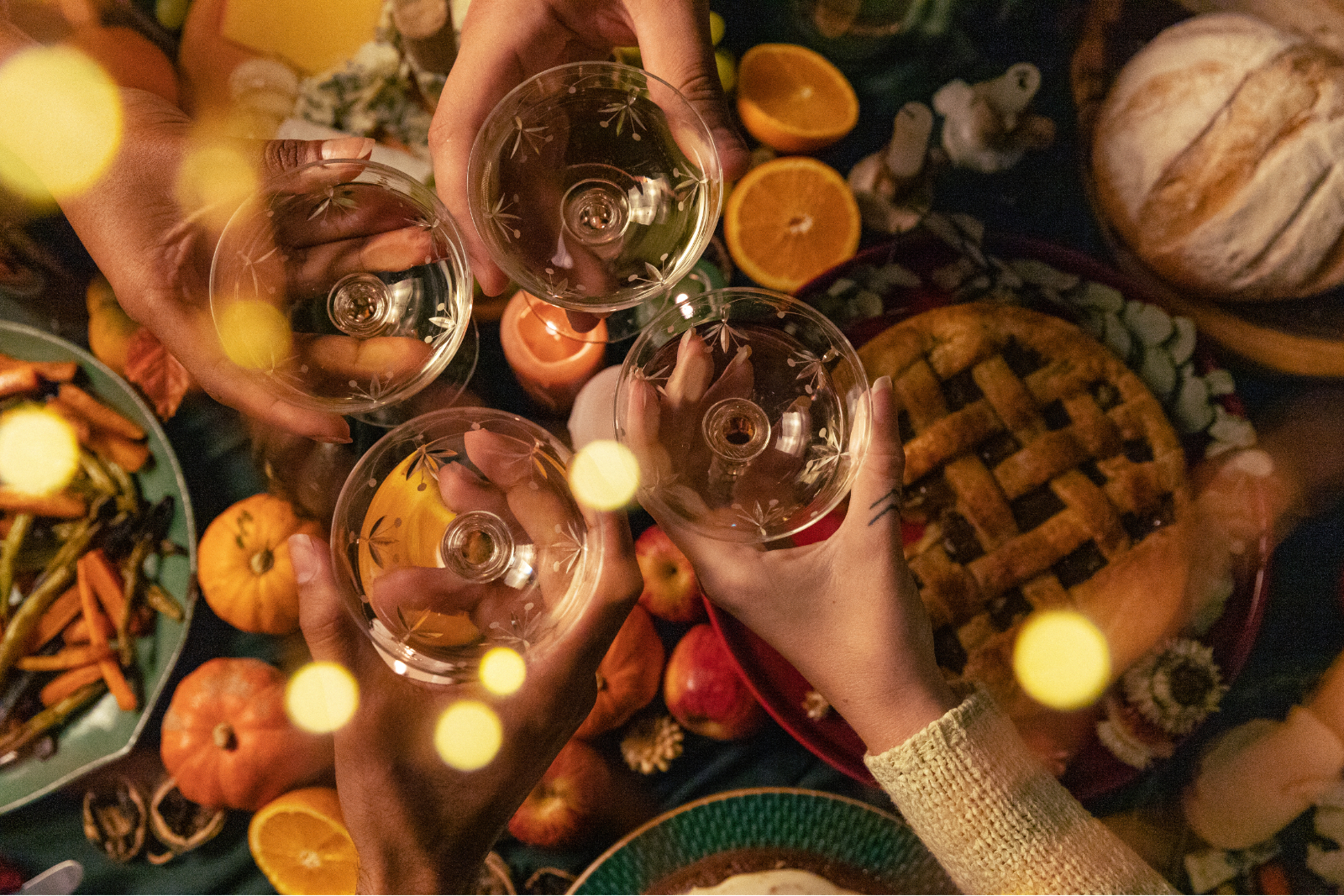
Start the evening with sparkling wine. It pairs with cheese boards, nuts, and salty snacks, and it signals that the celebration has begun. La Marca Prosecco, Mionetto, Korbel, Chandon, and Barefoot Bubbly are all budget-friendly. Mumm Napa and Gruet step up in quality for a little more money.
Pumpkin Pie and Dessert
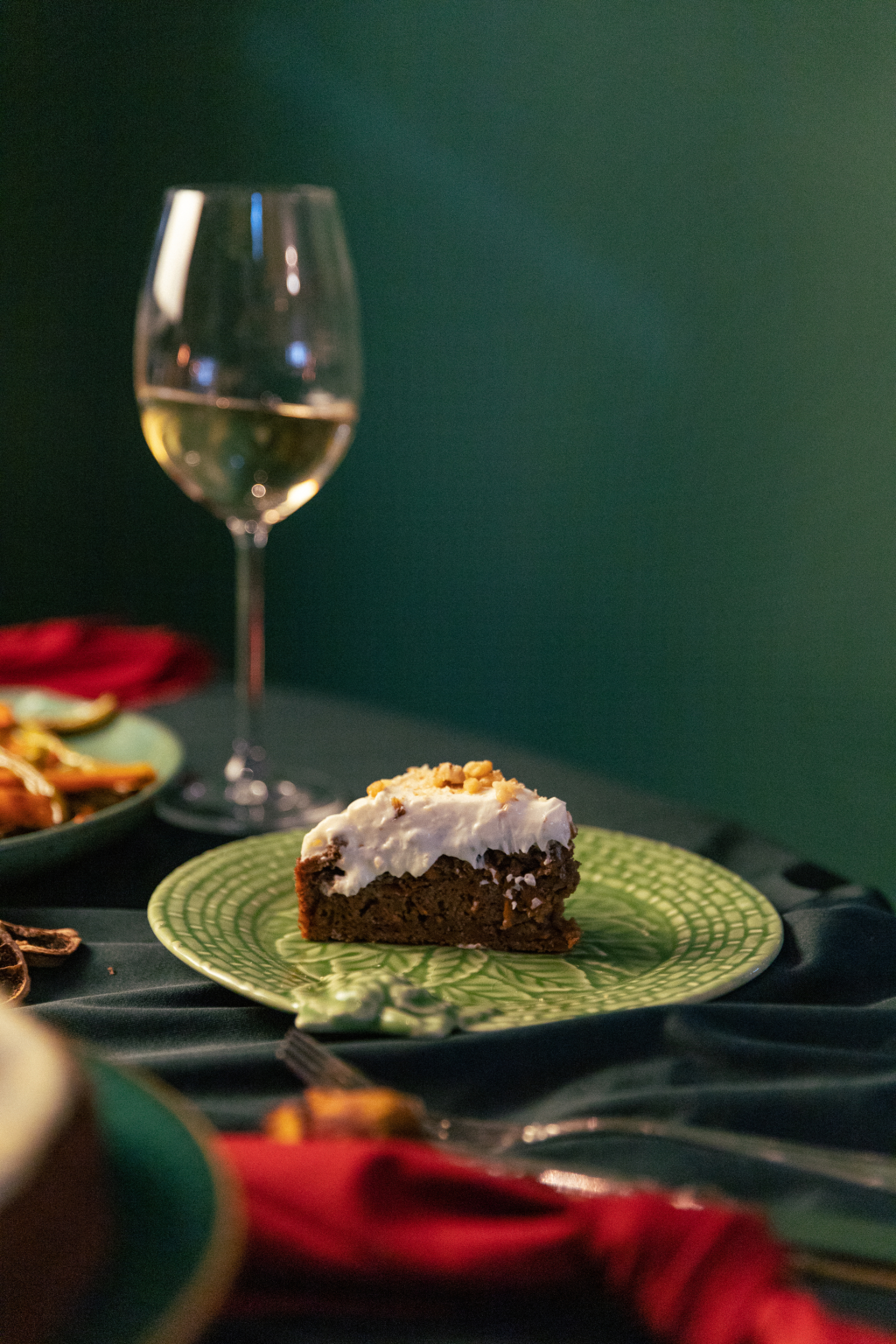
Pumpkin pie is sweet and spiced, so pick a wine that is sweeter than the dessert. A Moscato d’Asti, a late harvest Riesling, or a tawny port can be lovely. Barefoot Moscato is an affordable starting point.
Variety for Every Taste Preference
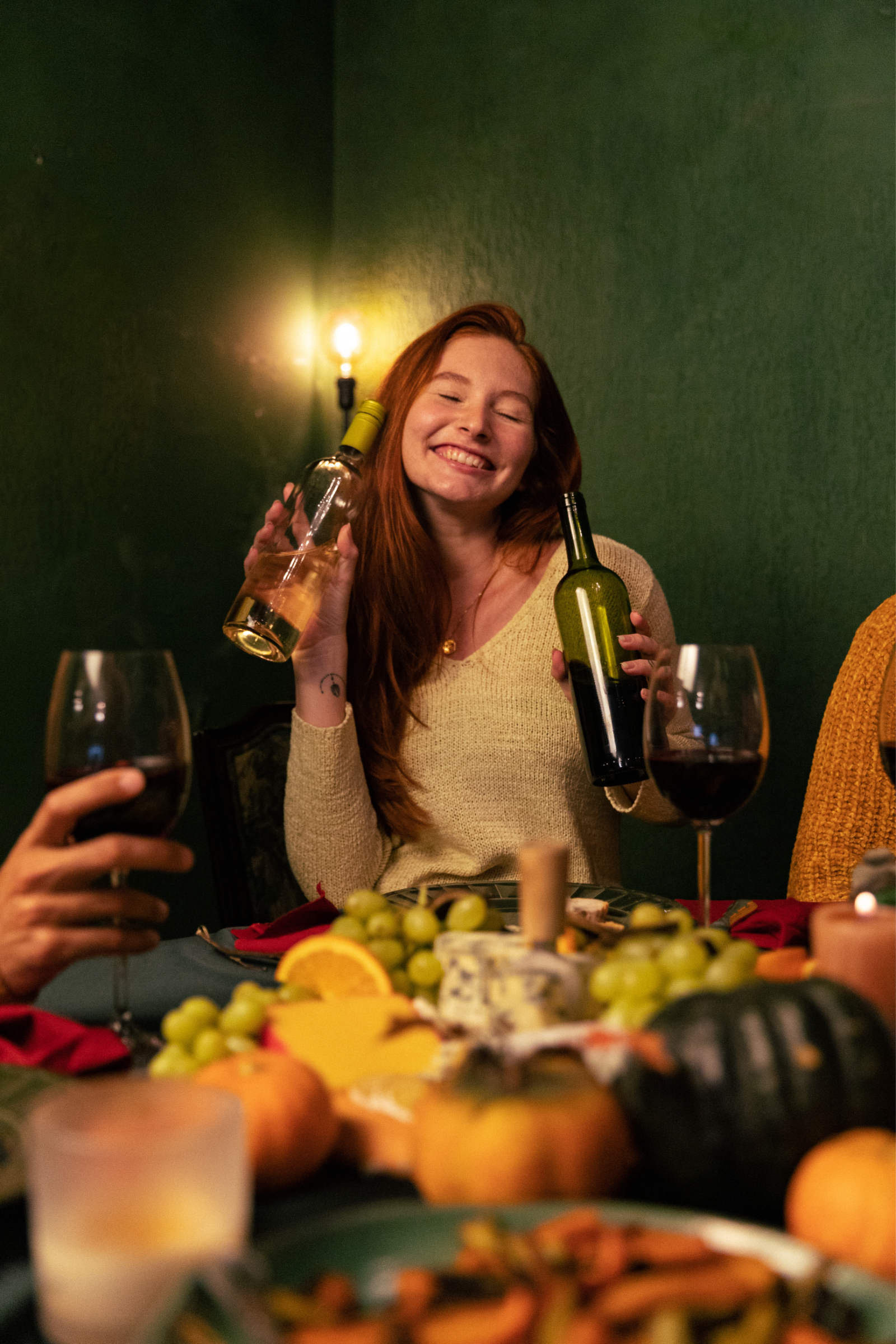
Guests rarely agree on what they like to drink. A smart hostess or host covers a few styles instead of buying six bottles of the same thing. A simple lineup looks like this:
- For people who love light and crisp wines: sauvignon blanc or a dry rosé
- For people who love creamy, rounded whites: chardonnay
- For people who love red wines but do not want anything heavy: pinot noir or Beaujolais
- For people who love bold reds: a soft, fruit-forward cabernet sauvignon or a smooth blend
- For people who like things sweet: off-dry Riesling or Moscato
- For people who love bubbles: any dry sparkling wine, served from toast to dessert
A good cabernet sauvignon can work on a Thanksgiving table if you choose a younger, juicy style with softer tannins. Josh Cellars, Louis M. Martini, and Beaulieu Vineyard are approachable examples. Big, tannic cabs are better saved for steak night.
Be Your Own Amateur Sommelier: Plan the Meal Around the Wine
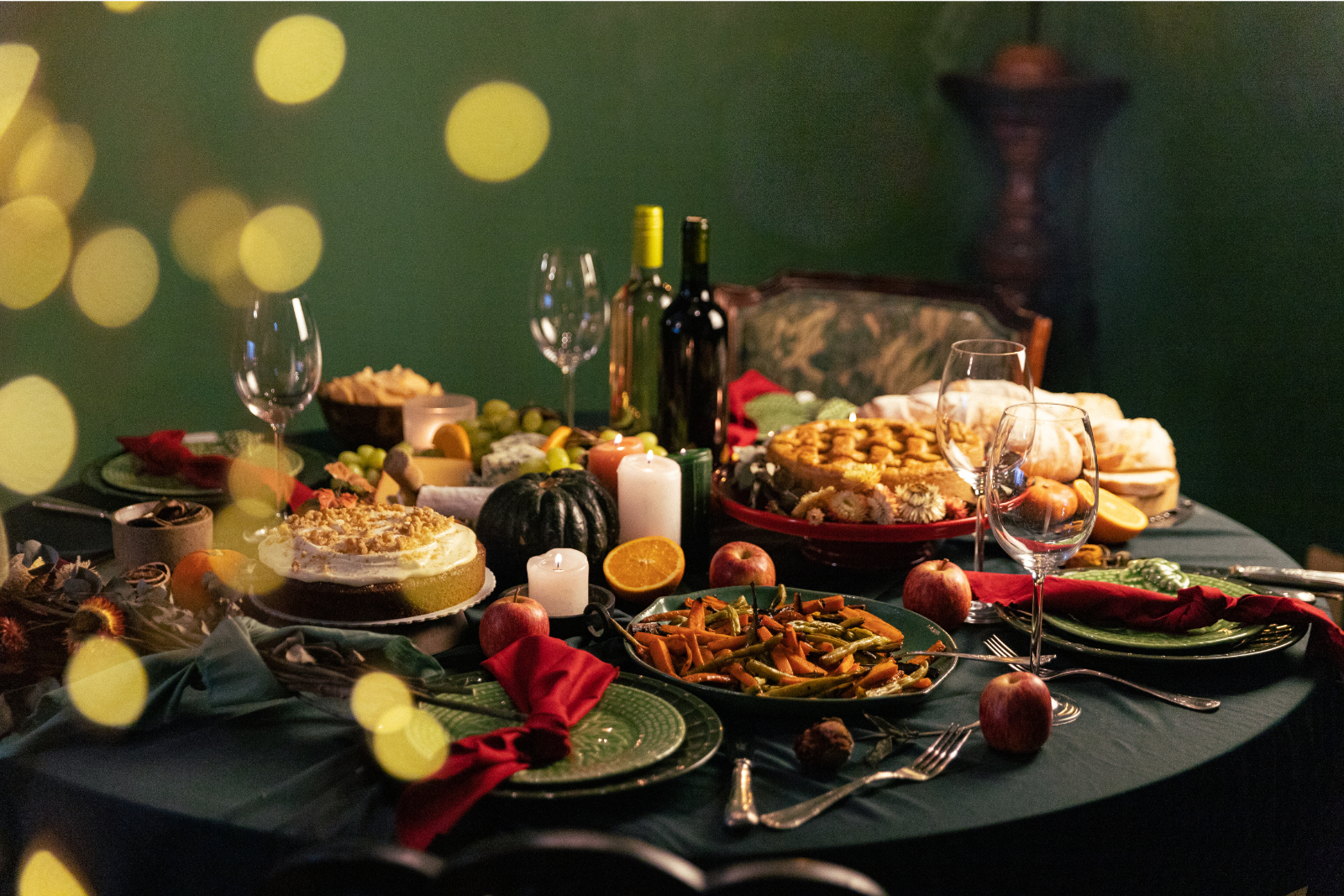
Most people plan the menu first and grab wine as an afterthought. Try flipping that. Pick two or three wines you are excited about, then think about how your dishes will taste next to them.
Here is a simple way to do it:
- Start with your guests. How many people are coming? Do they lean toward red wine, white wine, or bubbles?
- Choose a lead wine. If you love pinot noir, build your dinner around the earthy, savory flavors that sing with it, like roasted mushrooms, herbed stuffing, and dark turkey meat.
- Add a contrast. Pair a crisp white or sparkling wine with the richest dishes, such as buttery mashed potatoes and gravy.
- Taste before the big day. Open a bottle during the week and try it with leftovers or a small plate. Take notes on what you like. This is exactly how amateur sommeliers learn.
- Think in layers. Plan a welcome drink, a dinner wine or two, and a dessert option.
How much should you buy? A standard 750 mL bottle holds about five glasses. A good rule of thumb is one bottle for every two guests who drink wine, with extra sparkling on hand for toasts. A few extra bottles are never wasted, since Thanksgiving leftovers continue for days.

Wine and Pouring Etiquette
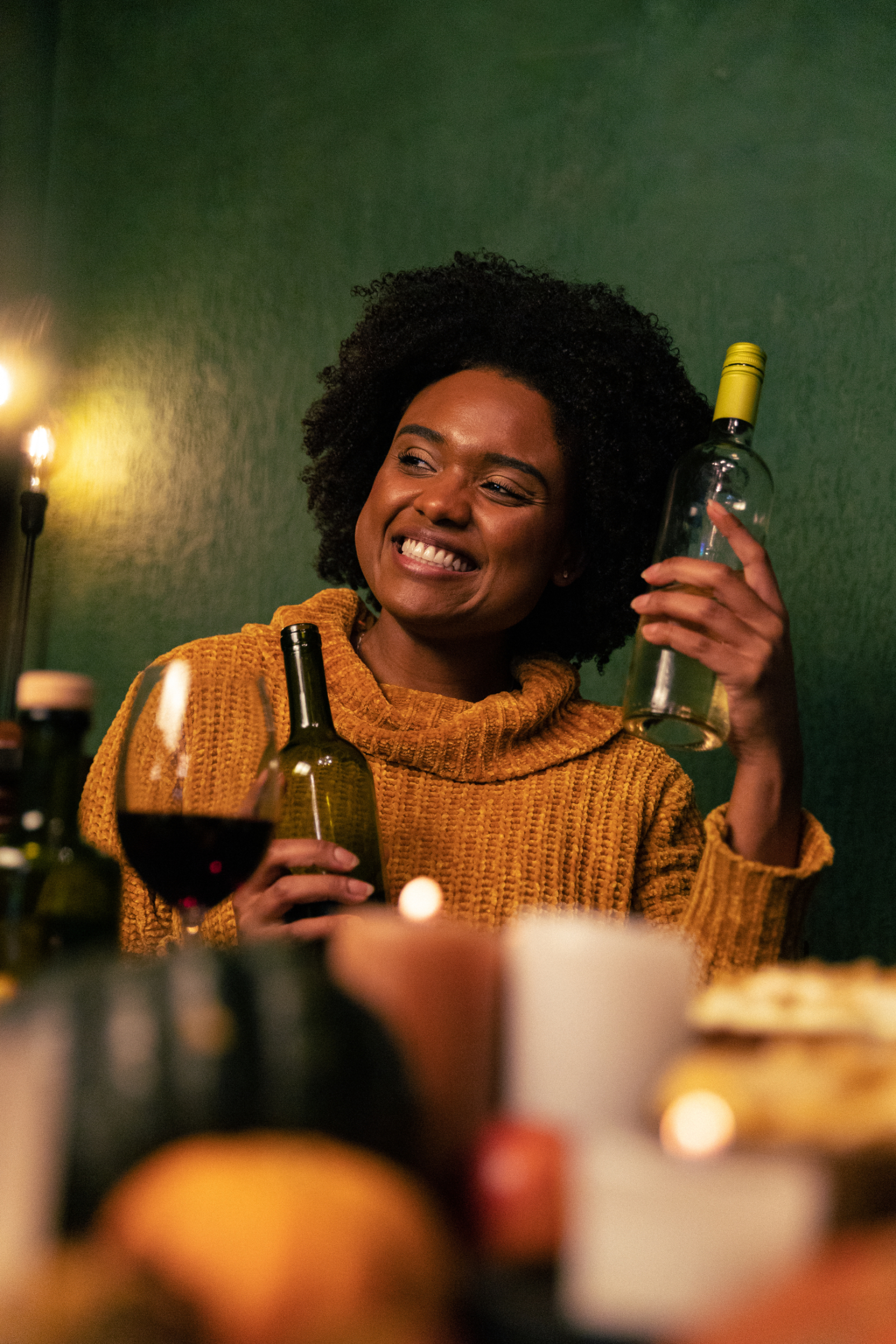
Good pouring etiquette makes guests feel taken care of without making the evening feel stuffy.
When to pour
- Offer a welcome drink as people arrive, ideally sparkling wine or a crisp white.
- Pour the dinner wine just before everyone sits down, or as soon as the first dishes reach the table.
- Offer refills when a glass is about a quarter full, and always ask before topping off.
- Serve dessert wine with pie, not before.
How much to pour
- A standard pour is about five ounces.
- For white wine, rosé, and sparkling wine, fill the glass about one third.
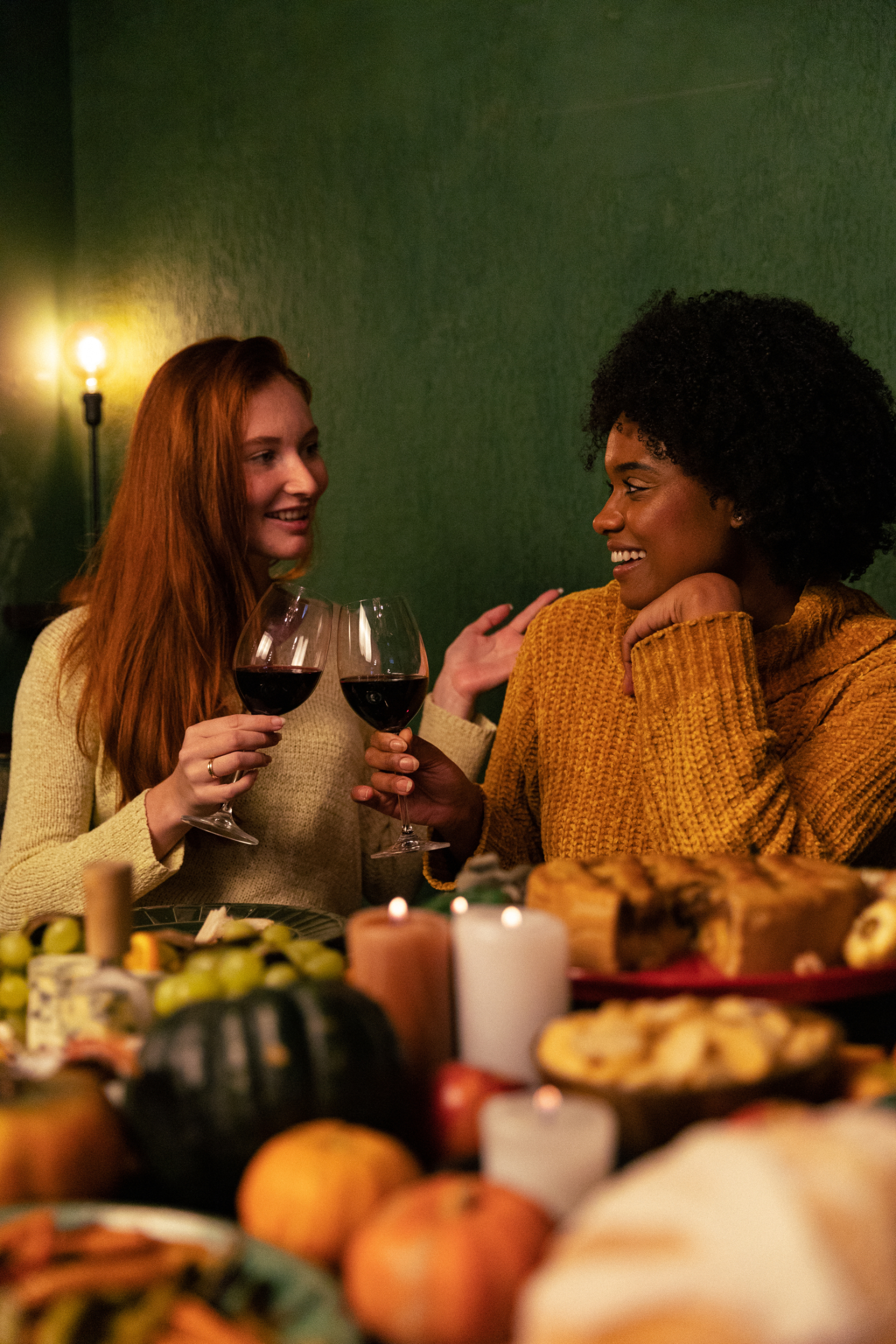
- For red wine, fill the glass between one third and one half, which leaves room to swirl and smell.
- Pour for your guests first and yourself last. Serve the oldest guests or the guest of honor first if you like a traditional touch.
Serving temperature
- Sparkling wine and white wine: about 40 to 50°F. Pull them from the fridge about 10 minutes before serving.
- Rosé: about 45 to 55°F.
- Red wine: about 60 to 65°F. A slightly cool red tastes fresher with a heavy meal, so a short chill in the fridge helps.
Other courtesies
- Hold the bottle by the body, not the neck, and wipe the lip with a napkin to catch drips.
- Offer water and a non-alcoholic option to every guest. Sparkling cider or sparkling water with cranberry works well on a holiday table.
- Never pressure anyone to drink, and always have a plan for guests who need a safe ride home.
A Helpful Wine Shopping Guide
Walking into a wine aisle can feel like a lot. Here is how to shop with confidence.
Know your plan before you go.
Have a short list of styles in mind: a pinot noir, a chardonnay, a sauvignon blanc, a sparkling wine, and a rosé. You can fill in the details once you are in the aisle.
Shop early.
The shelves look their best the week before Thanksgiving. Stock thins out fast in the last two days, and the popular bottles sell out.
Ask for help.
Staff at a good wine shop or a grocery store with a wine section can point you to a great bottle in your budget. Tell them what you are serving and what you want to spend.
Check the shelf tags.
Many stores add notes or scores on shelf talkers. They are not the whole story, but they can help you narrow your choices.
Look for versatile styles.
The best thanksgiving wine is rarely the most powerful. It is the one that works with many dishes at once.
Shop in different places.
Grocery stores, warehouse clubs, and specialty shops all have strengths. Grocery stores are great for popular brands. Smaller shops offer more unusual bottles at fair prices.
How to Evaluate the Quality of a Wine
You do not need a fancy palate to judge wine. Try these simple steps when you taste.
- Look. Hold the glass against a white napkin. Whites should look clear and bright. Reds should look vivid, not brownish or dull.
- Smell. Swirl and take a short sniff. You want to smell fruit, flowers, herbs, or spice. If you smell wet cardboard or vinegar, the bottle may be flawed.
- Taste. Notice the sweetness, acidity, and body. Does it feel balanced? Does any one thing, like alcohol or sourness, stick out too much?
- Finish. A good wine leaves a pleasant taste in your mouth for several seconds after you swallow. A short or harsh finish usually signals a simpler wine.
- Complexity. The best wines show layers. You might notice red fruit first, then spice, then something earthy.
A few notes on reading the label:
- The word reserve sounds fancy, but in the United States it has no legal definition. Some producers use it for their best wines, and others use it as a marketing term. Treat it as a hint, not a guarantee.
- Look for a specific region, like Sonoma, Willamette Valley, or Marlborough, instead of something general like “California.” A more specific origin often signals more care.
- A vintage year on the bottle tells you the harvest year. Most Thanksgiving wines are best young and fresh, so recent vintages are fine.
A Practical Thanksgiving Wine Price Guide
You can pour a great glass at nearly any budget. Prices vary by store and by region, so treat these as rough ranges.
Under $12: Everyday value.
Bogle pinot noir and chardonnay, Barefoot sparkling and Moscato, and many Prosecco bottles live here. These are fine for big crowds and casual dinners.
$12 to $20: The sweet spot.
Most grocery store favorites fall in this range, including Kendall-Jackson Vintner’s Reserve Chardonnay, La Crema pinot noir, Kim Crawford sauvignon blanc, Josh Cellars cabernet sauvignon, and Chateau Ste. Michelle Riesling. This range offers the best mix of quality and price for most families.
$20 to $35: Special touches.
Mumm Napa sparkling, Sonoma-Cutrer chardonnay, higher-end Oregon pinot noir, and Whispering Angel rosé land here. Choose one or two bottles from this tier for a toast or for the meal’s centerpiece wine.
$35 and up: Splurge-worthy.
Champagne from a known house, top Burgundy, or a single vineyard pinot noir. These are nice for small gatherings, but they are not required for a wonderful holiday.
A good rule is to spend a little more on the one bottle that will be at the center of the meal, then keep the rest affordable.
Gifting Wine to Your Host
If you are a guest, bringing a bottle is a lovely gesture. A few tips will keep it graceful.
- Do not expect it to be served. The host may already have the meal paired. Present the bottle as a gift for them to enjoy later, and say so.
- Choose something crowd-pleasing. A bottle in the $15 to $30 range, such as a pinot noir, a chardonnay, or a sparkling wine, is thoughtful without being overwhelming.
- Consider the host’s taste. If you know they love red wines, bring something red. If you are not sure, a dry sparkling wine is a safe choice.
- Add a small note. A handwritten card with a short thank you makes a bottle feel personal.
- Wrap it simply. A gift bag or tissue is plenty.
- Give it early. Hand over the bottle when you arrive so the host has time to chill it, or save it for later.
- Think beyond wine. If your host does not drink, a bottle of sparkling cider, a candle, or a dessert is just as welcome.
Things to Avoid When Pairing Wine With Thanksgiving
Even a great bottle can disappoint when it meets the wrong plate. Steer clear of these common mistakes.
- Overly oaky or heavily tannic wines. Big tannins can taste bitter next to sweet potatoes and cranberry sauce.
- Very high alcohol wines. They can feel heavy and tire your palate by the second helping.
- Wines that are sweeter than the food. A very sweet wine with the main course can feel cloying.
- Serving red wine too warm or white wine too cold. Temperature changes how a wine tastes.
- Opening too many bottles at once. Choose two or three wines instead of six, so guests do not feel overwhelmed.
- Forgetting non-drinkers. Offer an attractive alternative so everyone feels included.
- Leaving it to the last minute. Chill, uncork, and decant early so you are not scrambling when the turkey comes out.
- Overthinking it. The best thanksgiving wine pairing is the one your guests enjoy. If you love a wine, it will taste good at your table.

Quick Thanksgiving Wine Pairing FAQ
What is the best wine to serve with Thanksgiving dinner?
Pinot noir is the most popular red wine choice, and chardonnay and sauvignon blanc are favorites among whites. Sparkling wine works from the first toast to the last bite of pie.
Can I serve cabernet sauvignon with turkey?
Yes, if you pick a softer, fruit-forward style. Skip very tannic bottles, which can overpower the meat.
What wine goes best with mashed potatoes?
Chardonnay matches the creamy richness, and sauvignon blanc cuts through it. Either one works.
Is rosé a good Thanksgiving wine?
Absolutely. A dry rosé is refreshing, flexible, and a great match for cranberry sauce and ham.
How many bottles do I need?
Plan on about one bottle for every two wine drinkers, plus extra sparkling for toasts.
Final Thoughts
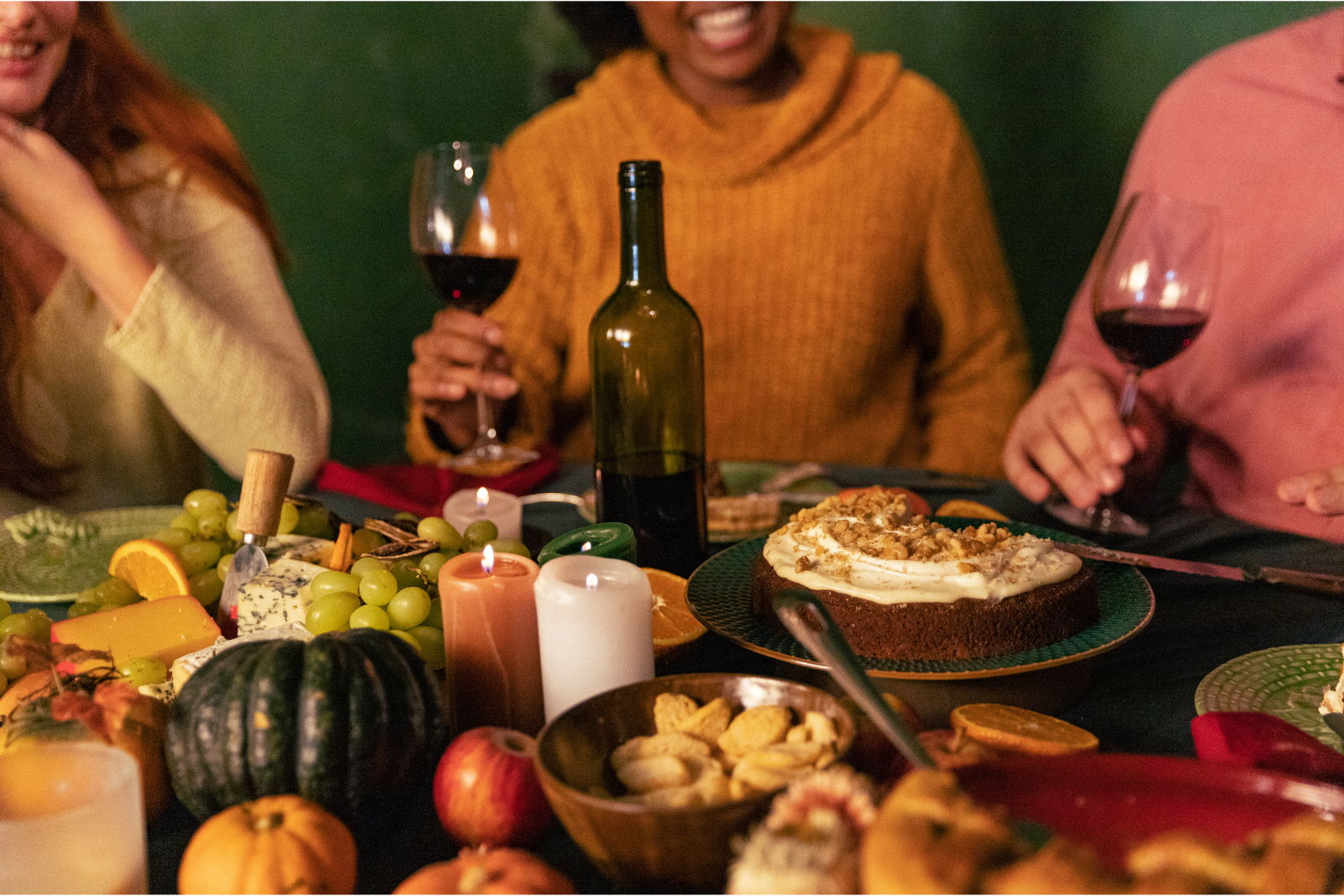
A great thanksgiving wine pairing does not require a cellar or a certification. Choose a few versatile bottles with bright acidity and friendly flavors, serve them at the right temperature, and pour with care. Whether you shop for a budget-friendly pinot noir, a crisp sauvignon blanc, or a festive bottle of sparkling wine, the right wine will help your thanksgiving dinner feel a little more special.
Cheers to a delicious holiday table.