
Thanksgiving Foods Dogs Can and Can’t Eat: A Safe Leftovers Guide
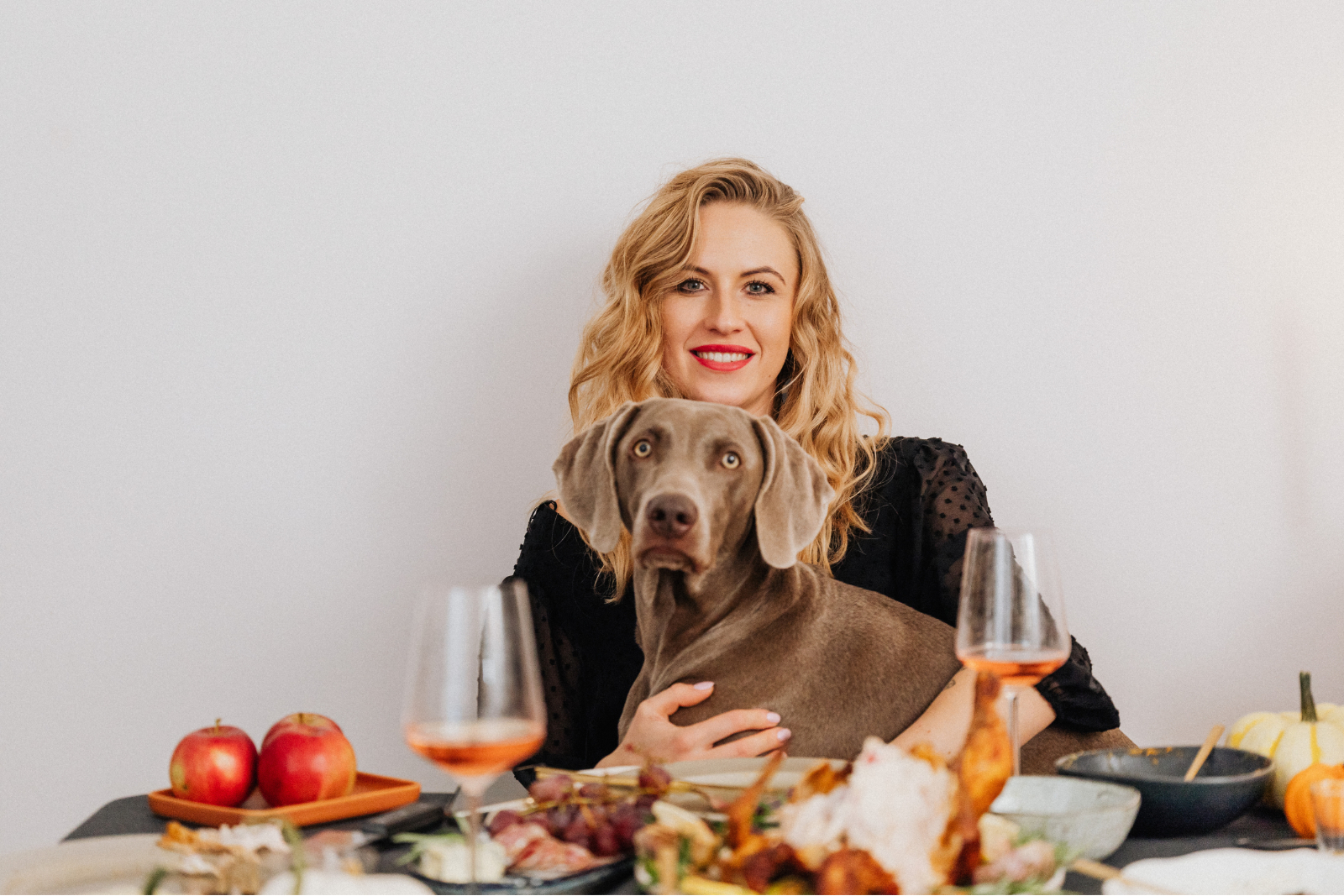
Plain turkey, sweet potatoes, green beans and pumpkin are the main Thanksgiving foods dogs can eat, as long as they are cooked, unseasoned and served in small portions. Stuffing, gravy, turkey skin, cooked bones, grapes, raisins, chocolate, anything with onion or garlic, and desserts sweetened with xylitol should never end up in your dog’s bowl.
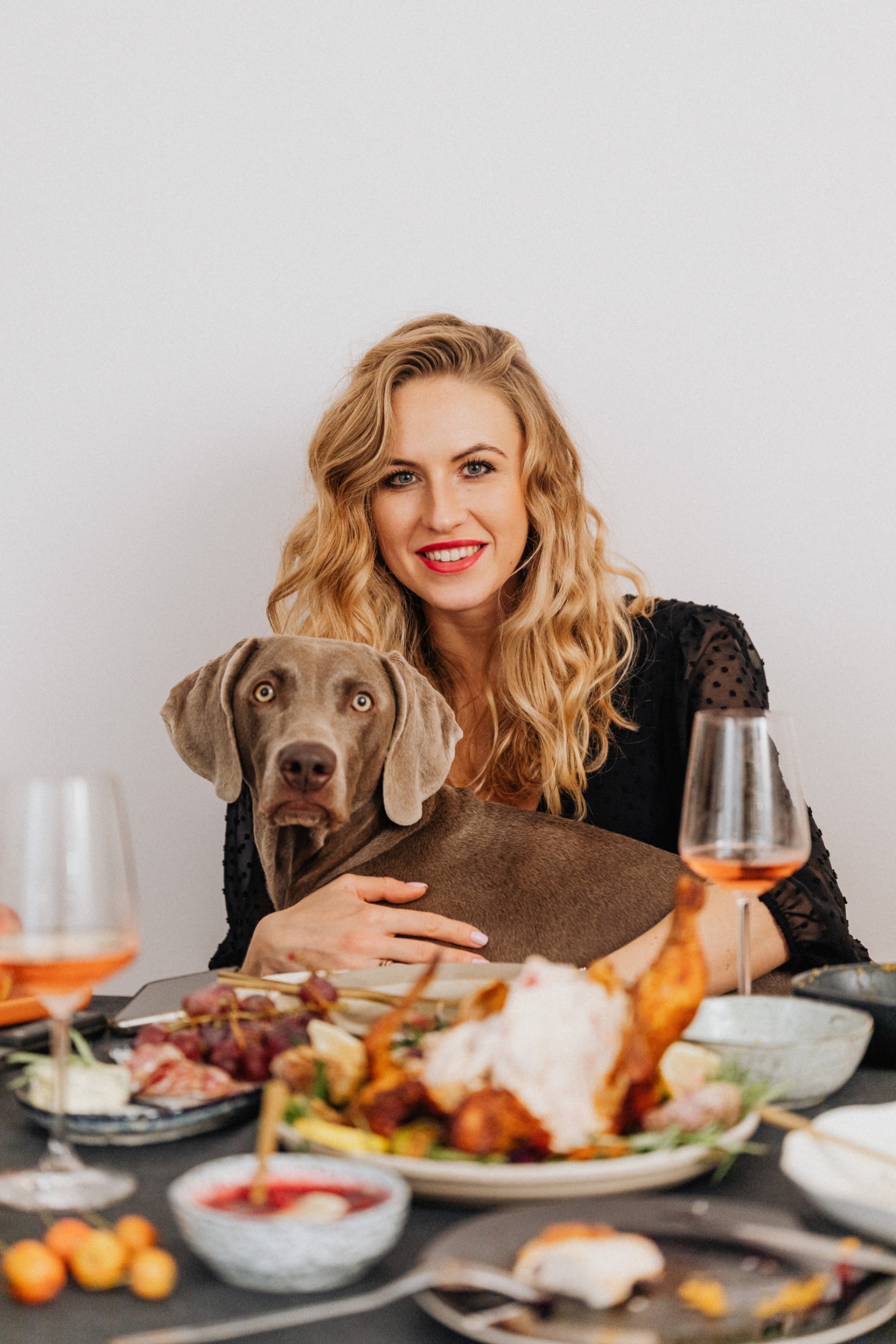
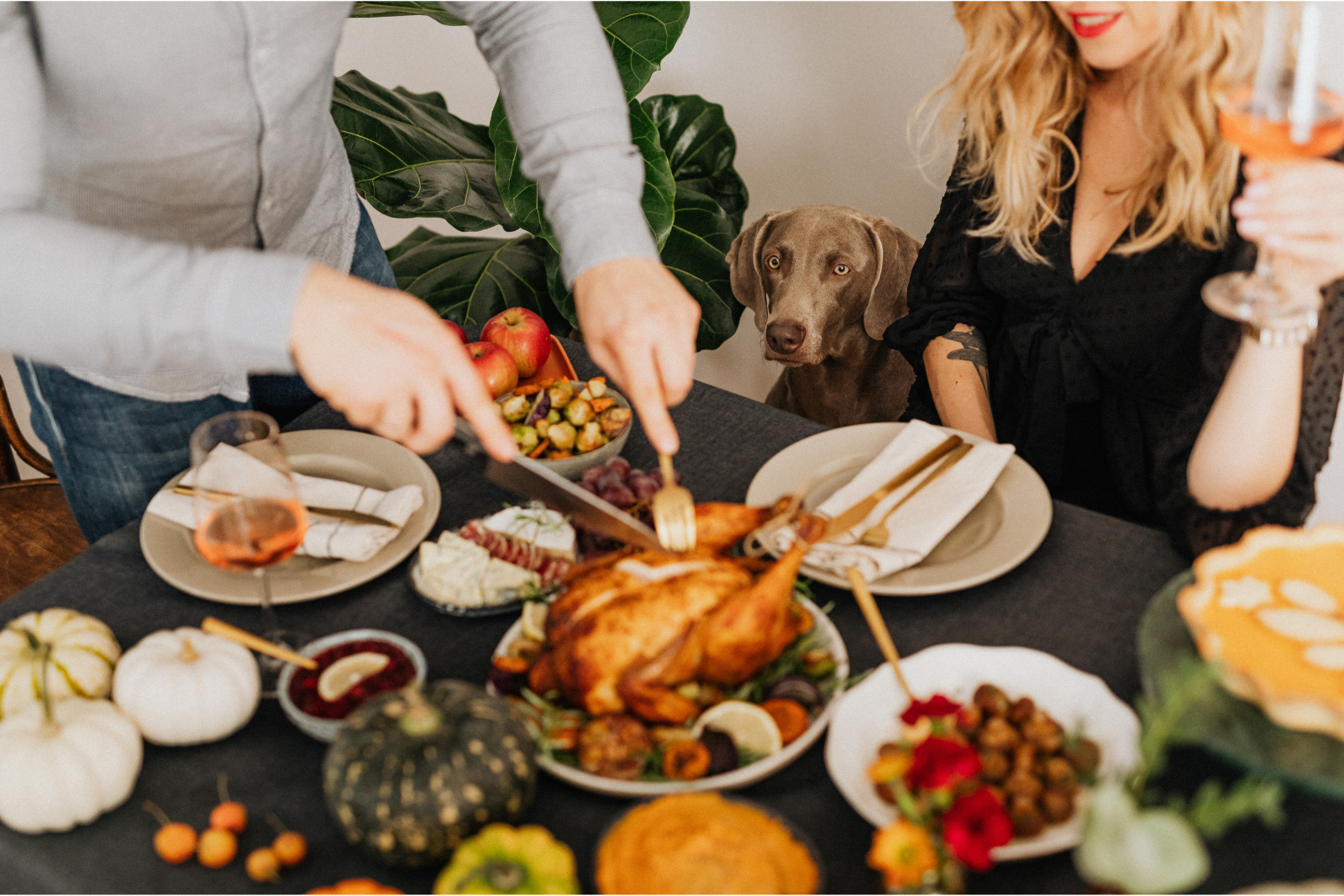
If you have ever felt those big, hopeful eyes tracking every forkful from the table to your mouth, you are not alone. Thanksgiving is one of the busiest weeks of the year for emergency vet clinics, and a lot of those visits start with a well-meaning bite of leftovers. The tricky part is that many dishes look harmless. A spoonful of mashed potatoes seems fine until you remember the butter, the cream and the roasted garlic that went into it.
This guide walks you through the safest Thanksgiving foods for dogs, the dishes to keep far away from them, and how to handle leftovers in the days after the big meal. You will also find portion guidance, the warning signs of a food emergency, and the phone numbers to keep handy. It is general education, not a substitute for advice from your own veterinarian, who knows your dog’s size, age and health history.
Here is the short version you can screenshot before dinner:
- Safe in small amounts: plain cooked turkey meat, plain sweet potato, plain green beans, plain pumpkin puree, carrots, apple slices (no seeds or core), and plain peas.
- Never safe: onions, garlic, chives, leeks, grapes, raisins, currants, chocolate, xylitol, alcohol, raw bread dough, macadamia nuts, cooked bones and heavily seasoned or fatty foods.
- Always call a vet or poison hotline if you are not sure how much your dog ate.
Thanksgiving Foods Dogs Can Eat
The safest Thanksgiving foods for dogs are the ones that come off the stove or out of the oven before the butter, salt, onions and spices go in. Set aside a small portion of each plain food while you cook, and you can share the holiday without worrying about your dog’s stomach.
Plain Turkey Meat
Cooked turkey is a common ingredient in dog food, so a few bites of the lean white meat are generally fine. The ASPCA advises keeping raw or undercooked turkey away from pets because of the risk of salmonella. Pull the meat off the bone, trim the skin and any visible fat, and skip anything that was brined, basted or seasoned. Think of it as a high-value training treat, cut into small pieces.
Sweet Potatoes
Plain baked or boiled sweet potato is one of the best choices on the table. It offers fiber and vitamins and most dogs love the natural sweetness. Leave out the marshmallows, brown sugar, butter and cinnamon, and mash a spoonful or two into your dog’s regular food.
Green Beans
Plain green beans are low in calories, which makes them a good option for dogs who need to watch their weight. Steamed or raw both work. The green bean casserole is a different story, since it usually comes with cream soup and fried onions.
Pumpkin Puree
Plain canned pumpkin (not pumpkin pie filling) is a go-to for many vets when a dog has mild digestive upset. A teaspoon for small dogs or a tablespoon for larger dogs is plenty. Check the label to make sure it lists only pumpkin and no added sugar or spices.
Carrots, Peas and Apple Slices
Raw or steamed carrots, plain peas and apple slices without the core and seeds make crunchy, low-effort snacks. Cut carrots into pieces that match your dog’s size so they are not a choking hazard.
Cranberries, Potatoes and Other Maybes
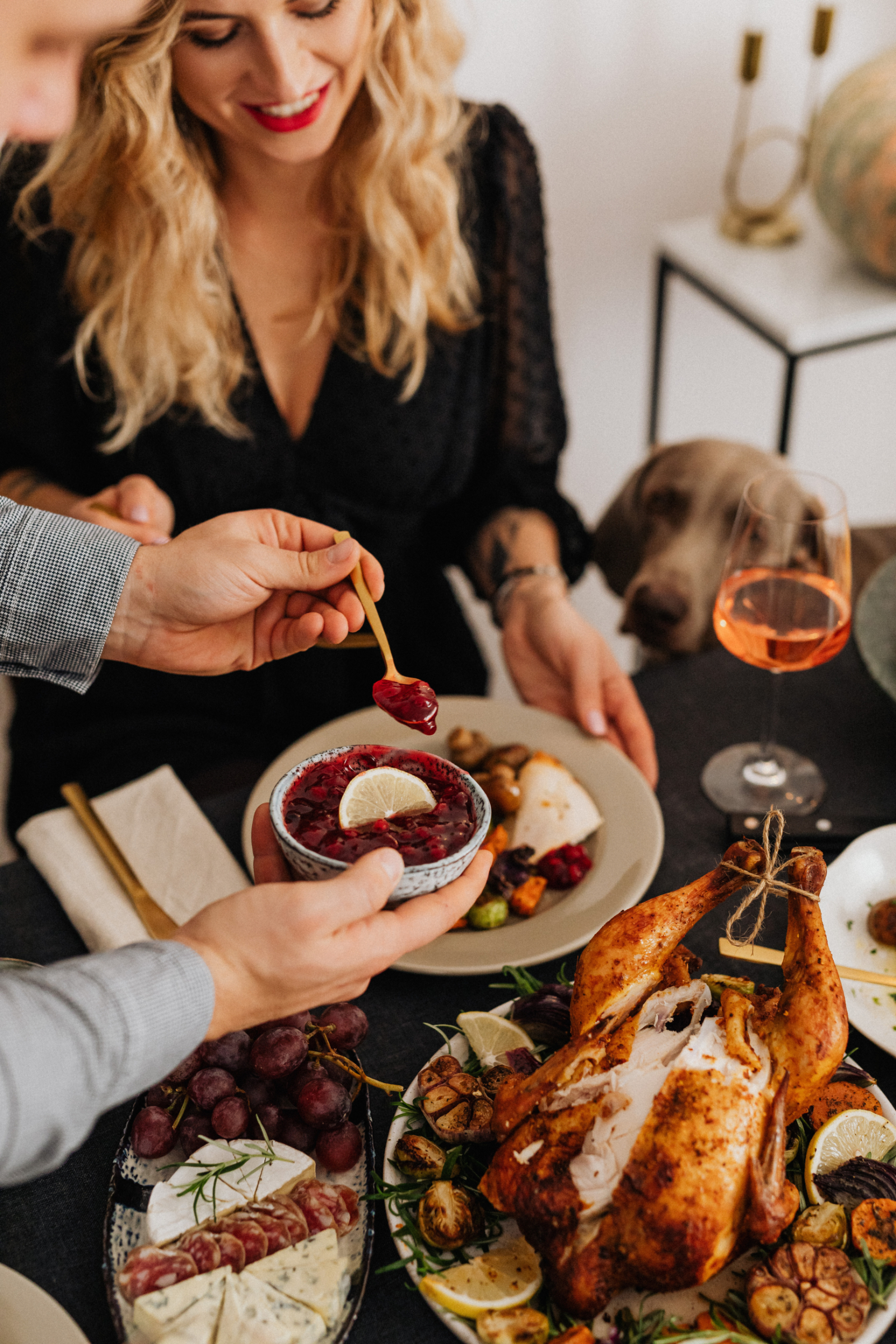
A few fresh or dried plain cranberries are usually okay, but cranberry sauce is loaded with sugar and sometimes orange zest or other add-ins, so skip it. Plain boiled or baked potato without skin, butter or salt is acceptable in a small amount. Mashed potatoes from the dinner table almost never qualify, because of the butter, cream, salt and garlic.
A good rule of thumb: if you would not eat it without any seasoning at all, your dog does not need it either. Plain and boring is the goal.
Thanksgiving Foods Dogs Cannot Eat
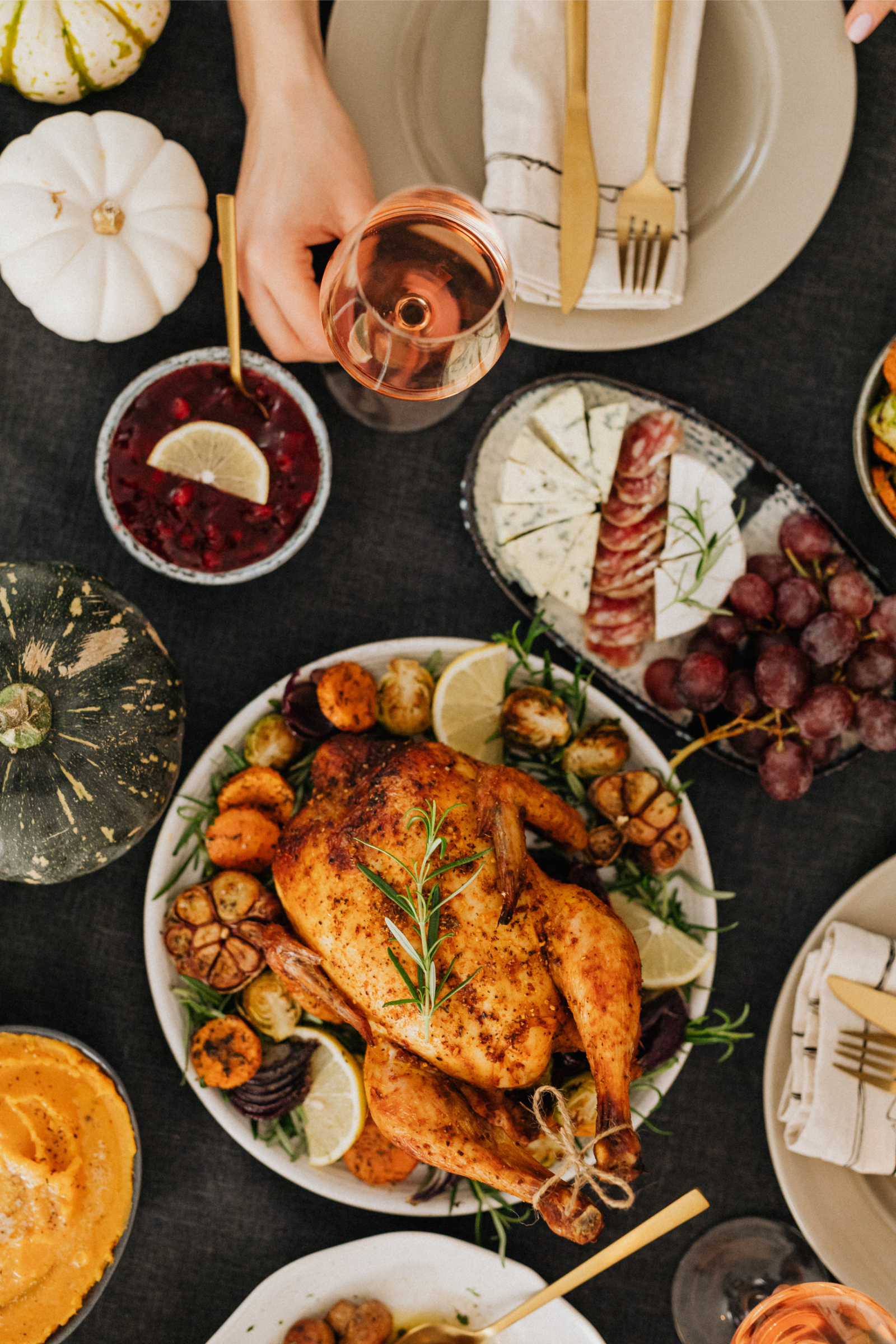
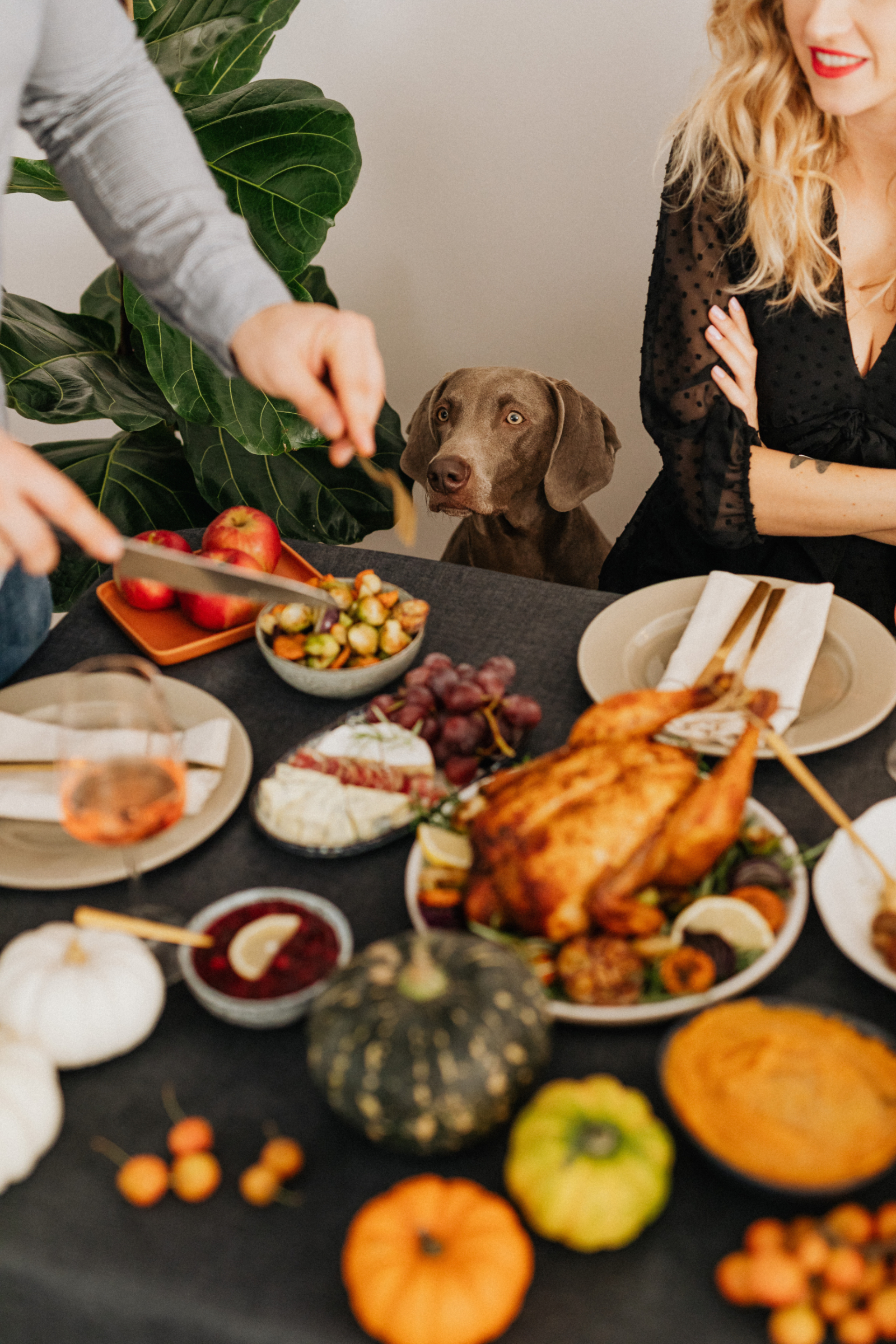
The most dangerous Thanksgiving foods for dogs are anything containing onion, garlic, grapes, raisins, chocolate or xylitol, plus fatty scraps, cooked bones and unbaked bread dough. Some of these are toxic in small amounts, and others cause trouble through fat, salt or sheer quantity. The ASPCA Animal Poison Control Center keeps a full list of people foods to avoid, and the highlights for the holiday table are below.
Onions, Garlic, Chives and Leeks
These show up in stuffing, gravy, casseroles, roasted vegetables and the turkey cavity itself. They can damage a dog’s red blood cells, and signs like vomiting, weakness or pale gums may not appear until a day later. Cooked, raw and powdered forms all count, so seasoning blends with garlic or onion powder are a hidden risk.
Grapes, Raisins and Currants
Even small amounts can cause kidney injury in some dogs, and there is no reliable way to predict which dogs will react. Watch for raisins in stuffing, salads, rolls and baked goods.
Chocolate and Xylitol
Chocolate contains compounds dogs cannot process well, and dark and baking chocolate are the most concerning. Xylitol is a sugar substitute found in some gum, candy, baked goods, peanut butter and sugar-free desserts. It can cause a dangerous drop in blood sugar and liver damage in dogs. Check labels on anything sweet before it goes near the floor.
Turkey Skin, Drippings and Gravy
High-fat foods are a leading cause of holiday stomach upset in dogs, and in some cases they trigger pancreatitis, a painful inflammation of the pancreas. Skin, drippings, gravy, buttery sides and fatty ham are the usual culprits. Gravy also tends to contain onion, garlic and a lot of salt.
Cooked Bones and Carcasses
Turkey and ham bones can splinter and injure the mouth, throat or intestines. Take the carcass out with the kitchen trash instead of leaving it in an open can, and tie the bag shut or put it in a bin with a locking lid.
Stuffing and Dressing
Between the onion, celery, sage, butter and sometimes sausage or dried fruit, stuffing is a bad bet. It is one of the most common reasons dogs get into trouble after dinner.
Mashed Potatoes, Casseroles and Creamy Sides
Butter, cream, cheese, salt and garlic turn a harmless potato into a rich dish that can upset your dog’s stomach. Green bean casserole, mac and cheese and scalloped potatoes all fall into this group.
Desserts: Pumpkin Pie, Pecan Pie and Anything With Nuts
Pie is mostly sugar, fat and spices, and pecan pie adds nuts. Macadamia nuts are known to be toxic to dogs, and other nuts such as walnuts and pecans can cause stomach upset or become a choking or blockage risk. Nutmeg, a common pumpkin pie spice, can also cause problems in larger amounts.
Alcohol and Raw Yeast Dough
Wine, beer, cocktails and spiked cider are dangerous for dogs, so do not leave glasses within reach. Unbaked bread dough is another hazard. The yeast keeps working in a dog’s warm stomach, which can cause bloating and produce alcohol in the body. If your dog gets into raw dough, treat it as an emergency.
Salty Snacks, Ham and Cured Meats
Pretzels, chips, cured ham and salty appetizers can cause excess thirst and sodium problems, especially in small dogs. A cheese and charcuterie board left at nose level is a classic holiday mishap.
Quick reminder: a dish does not need to be “toxic” to make your dog sick. Rich, salty and sugary foods are enough to ruin a holiday weekend.
Can Dogs Eat Thanksgiving Leftovers? Portions, Storage and Smart Rules
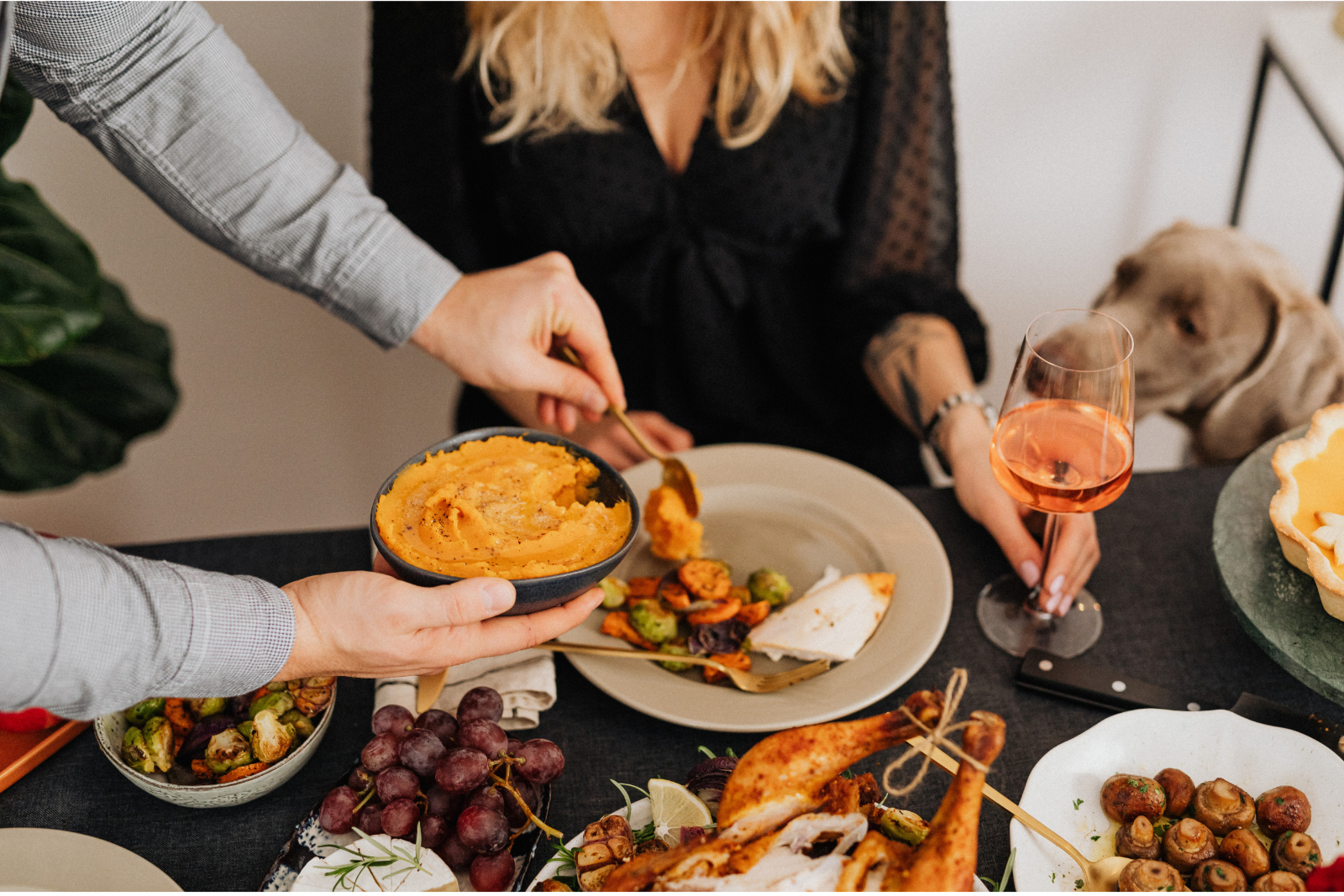
Dogs can eat some Thanksgiving leftovers, but only plain, unseasoned, boneless foods, fed in small amounts and stored safely. The days after the holiday are where many owners slip up, because the fridge is full of rich foods and the “just a little” habit adds up fast.
How Much Is Too Much?
Treats and extras should make up only a small slice of your dog’s daily food, and many veterinary sources suggest keeping them under about 10 percent of daily calories. In real life, that means:
- Small dogs (under 20 pounds): a teaspoon or two of a safe food, cut into tiny pieces.
- Medium dogs (20 to 50 pounds): a tablespoon or two.
- Large dogs (over 50 pounds): a few tablespoons.
These are rough starting points, not medical advice. Dogs with diabetes, pancreatitis history, kidney disease, food allergies or a sensitive stomach may need to skip table food entirely, so ask your vet first. Introduce any new food gradually, one item at a time, so you can spot a reaction.
Smart Leftover Rules
- Prepare your dog’s portion before you season. Scoop out plain turkey, sweet potato or green beans before the butter, salt and spices go in.
- Cool and refrigerate quickly. Food safety experts generally recommend getting leftovers into the fridge within two hours. Bacteria grow quickly at room temperature, and dogs can get food poisoning too.
- Store dog portions separately. Use a labeled container so a family member does not grab the wrong food for a late-night plate.
- Use leftovers within a few days. Turkey is typically fine in the fridge for three to four days. Freeze what you will not use, and toss anything that smells off.
- Serve plain and at room temperature. Warm it slightly if your dog likes that, but skip gravy, butter and seasonings.
- Remove all bones. Check meat by hand, since small fragments hide in shredded turkey.
- Mix, do not replace. Stir a spoonful of leftovers into regular dog food instead of swapping meals. A sudden diet change can cause diarrhea.
What About Cats and Other Pets?
This guide focuses on dogs, but the same basics apply to the whole household. Cats are especially sensitive to onions and garlic, and many foods that are fine for dogs are not fine for other animals. When in doubt, check with your vet.
Keep the Trash Locked Up
A tied bag on the kitchen floor is an invitation. Turkey carcasses, foil with grease, string from the roasted bird and corn cobs all cause blockages or injuries. Use a lidded bin, take the bag outside right away, or put the can in a pantry or garage.
Signs Your Dog Ate Something Dangerous and Who to Call
If your dog eats a toxic Thanksgiving food, call your veterinarian or a pet poison hotline right away instead of waiting for symptoms. Early treatment makes a big difference, and some problems, like onion toxicity or xylitol poisoning, can take hours to show up.
Warning Signs to Watch For
- Repeated vomiting or diarrhea
- A swollen, hard or painful belly
- Lethargy, weakness or collapse
- Loss of appetite or refusing water
- Drooling, pacing or a hunched posture that suggests belly pain
- Pale gums, tremors or seizures
- Straining to poop or no stool after eating bones
What Pancreatitis Looks Like
Pancreatitis is an inflammation of the pancreas, often triggered by a sudden high-fat meal such as turkey skin, gravy or buttery sides. The ASPCA’s Thanksgiving safety tips specifically flag high-fat foods as a risk. It can range from mild to life-threatening. Vomiting, belly pain, fever and a lack of interest in food are common signs, and treatment usually requires veterinary care.
Phone Numbers to Save Before Dinner
Put these in your phone now, because holiday emergencies rarely happen at a convenient time:
- ASPCA Animal Poison Control Center: (888) 426-4435
- Pet Poison Helpline: (855) 764-7661
- Your regular vet and the nearest 24-hour emergency animal hospital
Both hotlines may charge a consultation fee, according to the American Veterinary Medical Association. The Pet Poison Helpline website also has an online food and toxin lookup if you want a quick reference.
When you call, have this information ready:
- Your dog’s breed, age and weight
- What your dog ate, and roughly how much
- When it happened
- Any symptoms you have noticed
- The ingredient list or packaging, if the food came from a package
Do not try to make your dog vomit at home unless a vet or poison specialist tells you to. The right approach depends on what was eaten and when.
How to Give Your Dog a Safe Thanksgiving Plate (and Keep Guests in Check)
The easiest way to keep your dog safe at Thanksgiving is to give them their own plate, so no one is tempted to sneak scraps. A little planning before the meal beats a stressful vet trip after it.
Build a Dog-Friendly Plate
A simple, balanced plate might include a few bites of plain turkey, a spoonful of plain sweet potato, a few green beans and a tiny drizzle of plain pumpkin over their regular kibble. Serve it at the same time humans sit down so your dog feels included and is less likely to beg.
Easy Homemade Dog Treat Ideas
- Pumpkin and oat bites: mix plain pumpkin puree with oat flour and bake into small rounds. Skip added sugar and spices.
- Frozen pumpkin cubes: spoon plain pumpkin into an ice cube tray and freeze for a cooling chew.
- Turkey and sweet potato mini meatballs: use plain ground turkey and mashed sweet potato with no seasoning, and bake until cooked through.
- Stuffed chew toy: fill a rubber chew toy with a bit of plain pumpkin and freeze it to keep your dog busy while guests eat.
If your dog has health issues or dietary restrictions, run any new recipe by your vet first.
Set House Rules for Guests
Guests love to sneak food to a cute dog, and kids can be the biggest offenders. A few tactics help:
- Tell guests upfront that your dog has a special plate, and ask them not to share anything else.
- Put a small bowl of approved dog treats near the door so visitors can give those instead.
- Keep plates, napkins and glasses off low tables and out of reach.
- Use a baby gate or a closed door to give your dog a quiet space if the crowd gets loud.
- Keep walking and exercising your dog before dinner so they are calmer.
Keep Decorations and Plants in Mind
Some holiday decor can also cause trouble. Candles are a burn or fire risk, and certain flowers and plants used in centerpieces are toxic to pets. The ASPCA’s plant list is a useful resource if you are not sure what is safe.
Thanksgiving Foods for Dogs: Frequently Asked Questions
Can dogs eat Thanksgiving turkey?
Yes, in small amounts. Stick to plain, fully cooked white meat with the skin, fat and bones removed. Never feed raw or undercooked turkey, and skip any meat that was seasoned, brined or cooked with onion or garlic.
Can dogs eat turkey skin?
No. Turkey skin is very fatty and can trigger stomach upset or pancreatitis.
Can dogs eat stuffing?
No. Stuffing usually contains onion, garlic, butter, salt and sometimes dried fruit or sausage, all of which are risky for dogs.
Can dogs eat mashed potatoes?
Only if they are completely plain. Traditional mashed potatoes made with butter, cream, cheese or garlic are not a good choice.
Can dogs eat sweet potatoes?
Yes, plain cooked sweet potato is one of the safest sides. Avoid marshmallow toppings, brown sugar and butter.
Can dogs eat cranberry sauce?
It is best to skip it. Canned and homemade versions are typically high in sugar, and some contain other ingredients that do not agree with dogs.
Can dogs eat pumpkin pie?
No. The crust, sugar, spices and sometimes added sweeteners make it a poor choice. Offer a spoonful of plain pumpkin puree instead.
Can dogs eat gravy?
No. Gravy is high in fat and salt and often made with onion and garlic.
Can dogs eat ham?
It is best to avoid ham. It is salty and fatty, and glazed or cured ham can be especially rich.
Can dogs eat green bean casserole?
No. The cream soup, fried onions and seasonings make it unsuitable. Offer plain green beans instead.
Can dogs eat Thanksgiving leftovers the next day?
They can have a small portion of the same plain, safe foods listed above, as long as the leftovers were refrigerated promptly and are still fresh. Do not feed anything that was sitting out for hours.
What should I do if my dog ate something toxic?
Call your veterinarian, the ASPCA Animal Poison Control Center at (888) 426-4435, or the Pet Poison Helpline at (855) 764-7661 right away. Do not wait for symptoms.
The Bottom Line: A Happy, Safe Thanksgiving for Your Dog
Sharing Thanksgiving with your dog does not have to be complicated. Stick to plain turkey, sweet potato, green beans and pumpkin, serve small portions, and keep the rich, sugary and seasoned dishes for the humans. Lock up the trash, watch the dessert table, and save the poison control numbers in your phone before the first guest arrives.
With a little preparation, your dog can enjoy the day, and you can enjoy it without a worry. Every dog is different, so if yours has health conditions or a sensitive stomach, check with your vet before sharing any people food.
Happy Thanksgiving to you and your four-legged family member.